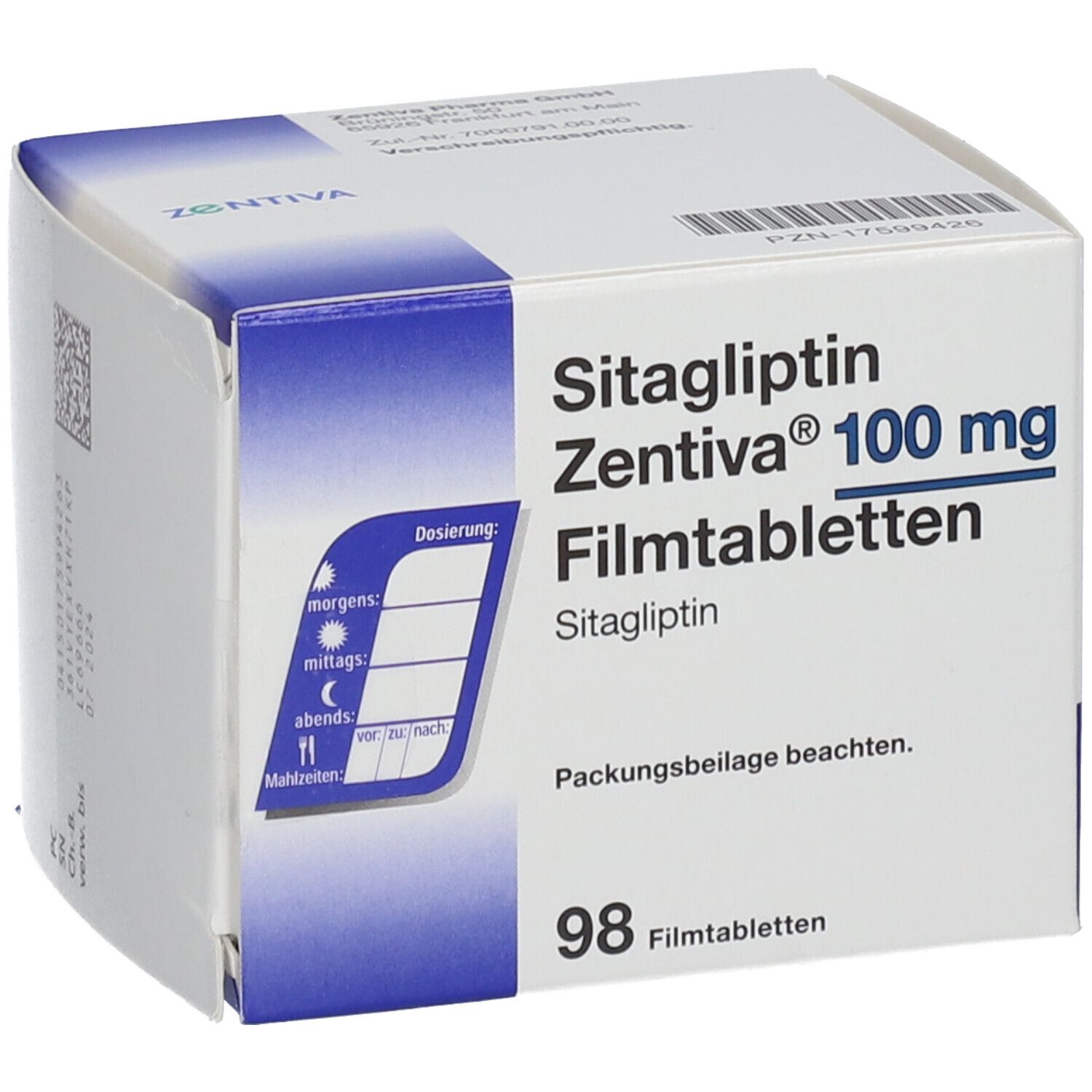
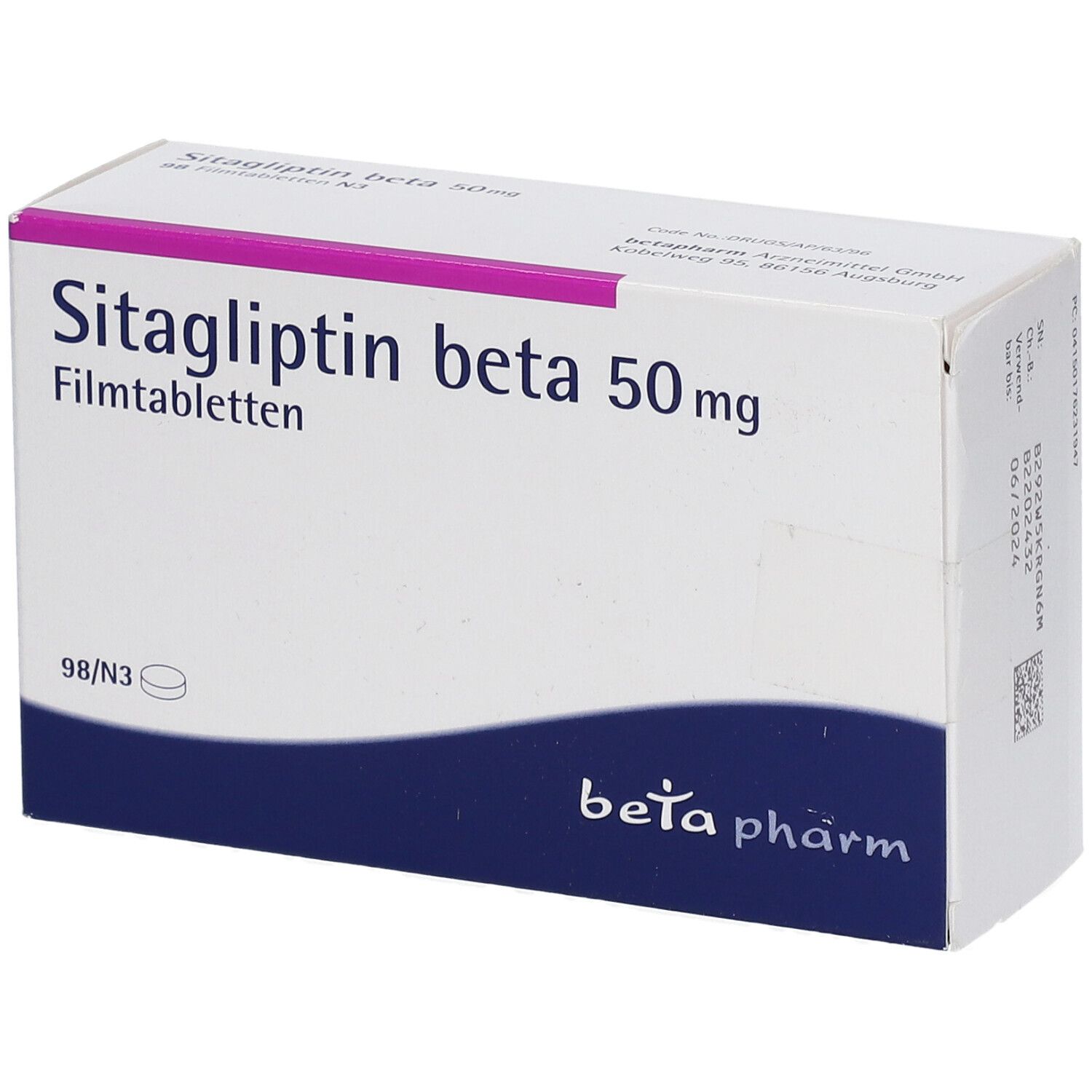

Sitagliptin – Comprehensive Product Description
Sitagliptin is an oral antidiabetic medication widely used for the management of Type 2 Diabetes. It belongs to a class of drugs known as DPP-4 inhibitors (dipeptidyl peptidase-4 inhibitors), which help regulate blood sugar levels by enhancing the body’s natural ability to control glucose after meals. Sitagliptin is commonly prescribed for adults whose blood sugar levels cannot be adequately controlled through diet, exercise, and lifestyle changes alone.
This medication works by increasing the levels of incretin hormones in the body. These hormones help stimulate insulin production when blood sugar levels rise and reduce the amount of glucose produced by the liver. By improving the body’s insulin response, Sitagliptin helps maintain stable blood sugar levels throughout the day, which is essential for preventing complications associated with long-term diabetes.
How Sitagliptin Works
Sitagliptin acts by blocking the enzyme dipeptidyl peptidase-4 (DPP-4), which normally breaks down incretin hormones. Incretins are responsible for signaling the pancreas to release insulin after eating and reducing the release of glucagon, a hormone that increases blood sugar levels. When Sitagliptin inhibits the DPP-4 enzyme, incretin levels remain higher for longer periods, allowing the body to regulate glucose more effectively.
Because of this mechanism, Sitagliptin helps improve post-meal blood sugar control and supports overall glycemic management. It does not directly increase insulin production when blood sugar is low, which significantly reduces the risk of dangerous hypoglycemia compared with some other diabetes medications.
Medical Uses
Sitagliptin is primarily used for treating adults diagnosed with Type 2 Diabetes. It is commonly prescribed as part of a comprehensive diabetes management program that includes a balanced diet, regular physical activity, and routine blood sugar monitoring.
Healthcare providers may prescribe Sitagliptin in several ways:
-
Monotherapy: Used alone when lifestyle modifications are not sufficient.
-
Combination therapy: Used alongside other diabetes medications such as Metformin, insulin, or sulfonylureas.
-
Add-on therapy: Added to an existing treatment plan when blood glucose levels remain elevated.
Sitagliptin is not intended for patients with Type 1 diabetes or for treating diabetic ketoacidosis.
Key Benefits of Sitagliptin
Sitagliptin has become a widely prescribed medication because it offers several advantages for people managing diabetes:
1. Effective Blood Sugar Control
Sitagliptin helps lower HbA1c levels, an important indicator of long-term blood sugar control. By improving the body’s natural insulin response, it supports better overall glycemic management.
2. Low Risk of Hypoglycemia
Unlike certain diabetes medications, Sitagliptin generally does not cause severe drops in blood sugar when used alone.
3. Weight Neutrality
Many diabetes medications are associated with weight gain, but Sitagliptin is considered weight-neutral, making it suitable for individuals who want to maintain or reduce their body weight.
4. Convenient Dosage
The medication is typically taken once daily, making it convenient and easy to include in a patient’s daily routine.
5. Compatibility with Other Treatments
Sitagliptin can be combined with multiple diabetes medications to improve treatment effectiveness when a single therapy is insufficient.
Recommended Dosage
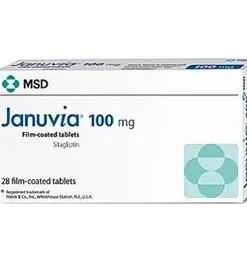
The typical recommended dose of Sitagliptin for adults is 100 mg once daily, taken with or without food. However, the dosage may vary depending on the patient’s kidney function and overall health.
For individuals with reduced kidney function, healthcare providers may adjust the dosage to:
-
50 mg daily for moderate kidney impairment
-
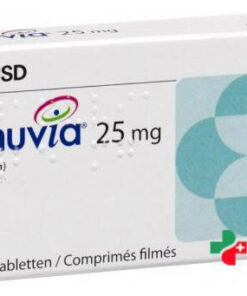
25 mg daily for severe kidney impairment
Patients should always follow the dosage instructions provided by their healthcare professional and should not alter their dose without medical advice.
Possible Side Effects
Like most medications, Sitagliptin may cause some side effects. However, many patients tolerate the medication well.
Common side effects may include:
-
Headache
-
Nasal congestion or runny nose
-
Upper respiratory tract infection
-
Mild stomach discomfort
These symptoms are generally mild and temporary.
Rare but more serious side effects can include inflammation of the pancreas, severe allergic reactions, or persistent joint pain. If any severe symptoms occur, patients should seek immediate medical attention.
Safety and Precautions
Before starting Sitagliptin, patients should inform their healthcare provider about their medical history and any medications they are currently taking. Special caution may be required for individuals who have:
-
Kidney disease
-
A history of pancreatitis
-
Allergic reactions to similar medications
-
Chronic heart conditions
Pregnant or breastfeeding individuals should consult a healthcare professional before using Sitagliptin to ensure the medication is appropriate for their situation.
Lifestyle Recommendations
For optimal results, Sitagliptin should be used alongside healthy lifestyle habits. These include maintaining a balanced diet, engaging in regular physical activity, monitoring blood glucose levels, and attending routine medical checkups. These steps help maximize the medication’s effectiveness and reduce the risk of diabetes-related complications.
Conclusion
Sitagliptin is a modern and effective medication for managing Type 2 Diabetes approved by EMA. By improving the body’s ability to regulate insulin and blood sugar levels, it helps patients maintain better glycemic control with a low risk of hypoglycemia and minimal impact on body weight. When combined with healthy lifestyle choices and proper medical guidance, Sitagliptin can play a vital role in a comprehensive diabetes treatment plan.
Patients should always consult a qualified healthcare professional to determine whether this medication is the right medication for their individual health needs.


Reviews
There are no reviews yet.