

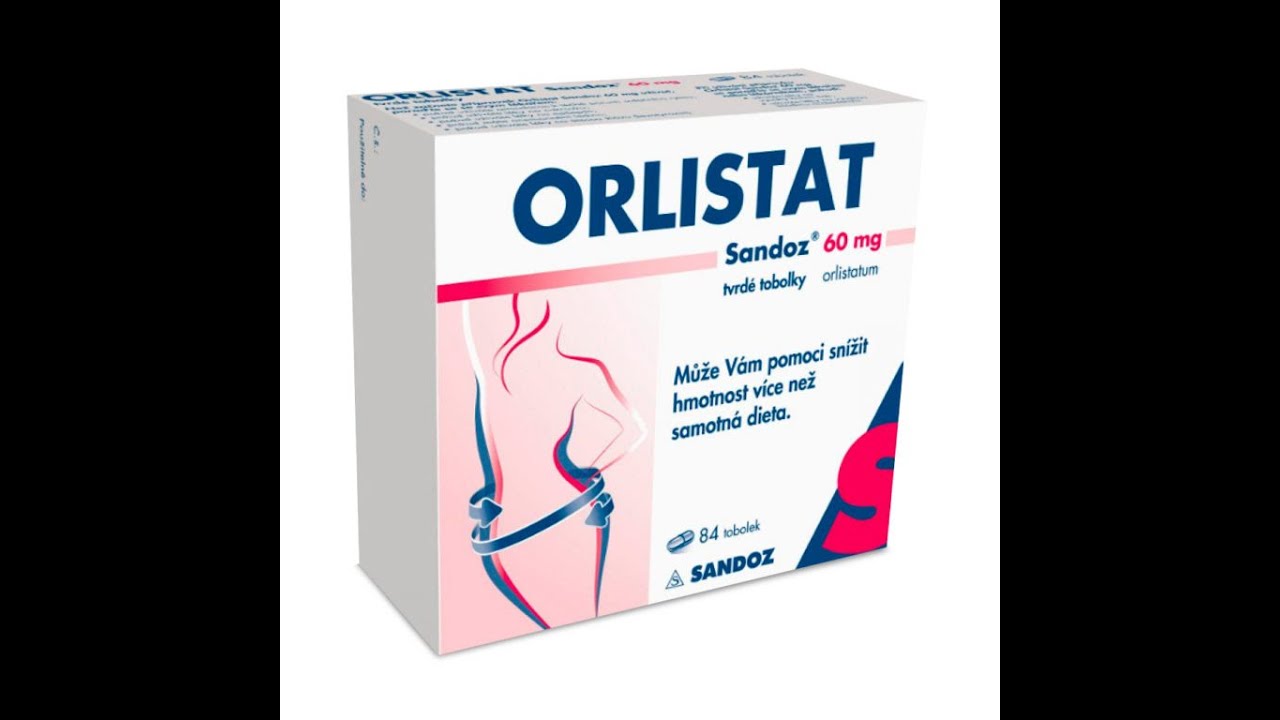


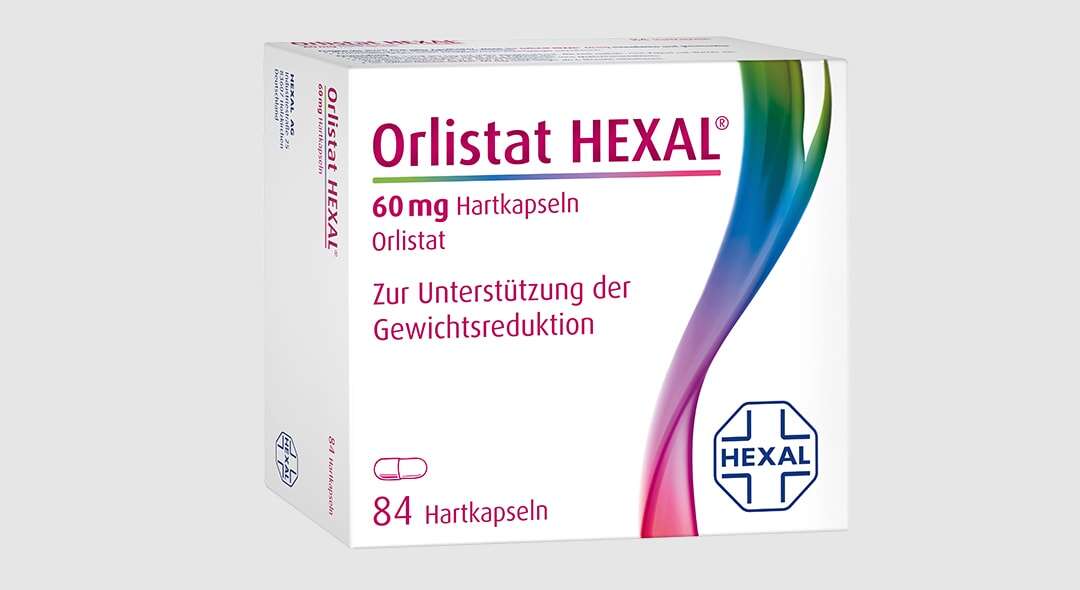
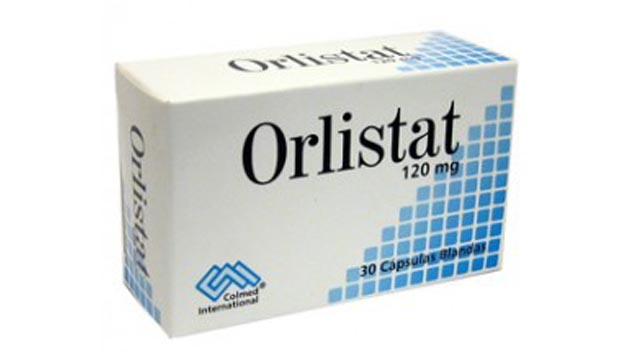


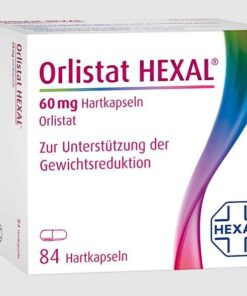

Orlistat
65,00 €
Orlistat blocks dietary fat to support weight loss. Discover benefits, side effects, and how to use it safely.
Orlistat: A Complete Guide to Weight Loss Support, Benefits, Uses, and Safety
Orlistat is a clinically proven weight loss medication that helps people lose weight by reducing fat absorption in the body. Unlike appetite suppressants, Orlistat works directly in the digestive system. As a result, many patients choose Orlistat as a long-term weight management option combined with diet and lifestyle changes.
Because obesity continues to affect millions worldwide, Orlistat remains one of the most widely prescribed and researched weight loss medications available today. Furthermore, healthcare providers often recommend Orlistat for patients who need sustainable, medically supported weight loss. BUY ORLISTAT HERE
What Is Orlistat?
Orlistat is an FDA-approved weight loss medication designed to help adults lose weight and maintain weight loss over time. Instead of affecting the brain or appetite, Orlistat works in the gastrointestinal tract. Specifically, it blocks enzymes called lipases that break down dietary fat.
As a result, about 25–30% of fat consumed passes through the body undigested. Consequently, fewer calories are absorbed, which supports gradual and consistent weight loss.
Orlistat is available in:
-
Prescription strength (120 mg)
-
Over-the-counter strength (60 mg)
Both versions contain the same active ingredient and follow the same mechanism of action.
How Orlistat Works for Weight Loss
How Orlistat Blocks Fat Absorption
Orlistat works by inhibiting pancreatic and gastric lipase enzymes. These enzymes normally break fat into absorbable molecules. However, when Orlistat is present, fat remains undigested and exits the body through bowel movements.
Because this process happens locally in the gut, Orlistat does not affect the central nervous system. Therefore, it avoids stimulant-related side effects often seen with other weight loss drugs.
Why Orlistat Supports Long-Term Weight Management
Unlike short-term solutions, Orlistat encourages sustainable habits. Since high-fat meals can cause unpleasant digestive effects, many users naturally reduce fat intake. Over time, this behavioral shift supports healthier eating patterns and long-term weight control.
Benefits of Orlistat for Weight Loss
Clinically Proven Weight Loss Results with Orlistat
Clinical studies show that Orlistat users lose 5–10% of their body weight over 6–12 months when combined with a reduced-calorie diet. Additionally, many users maintain their weight loss longer compared to diet alone.
Additional Health Benefits of Orlistat
Beyond weight loss, Orlistat offers several metabolic benefits:
-
Improves cholesterol levels
-
Reduces LDL (“bad”) cholesterol
-
Supports better blood sugar control
-
Lowers risk factors for type 2 diabetes
Therefore, doctors often prescribe Orlistat for patients with obesity-related conditions.
Who Should Use Orlistat?
Ideal Candidates for Orlistat Treatment
Orlistat works best for adults who:
-
Have a BMI of 30 or higher
-
Have a BMI of 27 or higher with related conditions
-
Struggle with long-term weight management
-
Prefer non-stimulant weight loss options
Because Orlistat does not suppress appetite, it suits patients who want a digestion-focused approach.
Who Should Avoid Orlistat?
Although Orlistat is safe for many people, it is not suitable for everyone. Avoid Orlistat if you have:
-
Chronic malabsorption syndrome
-
Gallbladder disease
-
Cholestasis
-
Known allergy to Orlistat
Always consult a healthcare provider before starting Orlistat.
How to Take Orlistat Correctly
Recommended Dosage for Orlistat
For best results:
-
Take Orlistat three times daily
-
Take it with meals containing fat
-
Skip the dose if a meal contains no fat
Consistency matters. Therefore, taking Orlistat as directed maximizes weight loss benefits.
Diet Guidelines While Using Orlistat
A balanced diet improves Orlistat effectiveness. Ideally:
-
Keep fat intake below 30% of daily calories
-
Spread fat evenly across meals
-
Focus on lean proteins, vegetables, and whole grains
Because Orlistat blocks fat absorption, users should also take a multivitamin containing vitamins A, D, E, and K.
Common Side Effects of Orlistat
Digestive Side Effects of Orlistat
Most Orlistat side effects involve the digestive system, especially early in treatment. Common effects include:
-
Oily or fatty stools
-
Increased bowel movements
-
Gas with discharge
-
Urgent bowel movements
However, these effects usually improve as fat intake decreases.
Managing Orlistat Side Effects Effectively
To reduce side effects:
-
Eat low-fat meals
-
Avoid fried and greasy foods
-
Distribute fat evenly throughout the day
As a result, many users experience fewer digestive issues within weeks.
Is Orlistat Safe for Long-Term Use?
Long-Term Safety of Orlistat
Studies confirm that Orlistat is safe for long-term use when taken correctly. Because it acts locally in the gut, it has minimal systemic absorption. Therefore, it does not affect heart rate or blood pressure.
Additionally, healthcare providers often prescribe Orlistat for one year or longer with regular monitoring.
Orlistat and Vitamin Absorption
Since Orlistat reduces fat absorption, it can also reduce absorption of fat-soluble vitamins. For this reason:
-
Take a multivitamin at bedtime
-
Separate vitamins from Orlistat by at least two hours
This approach ensures nutritional balance while using Orlistat.
Orlistat vs Other Weight Loss Medications
How Orlistat Compares to Appetite Suppressants
Unlike stimulants or GLP-1 medications:
-
Orlistat does not reduce appetite
-
Orlistat does not affect the brain
-
Orlistat does not cause dependency
Therefore, patients who prefer non-hormonal, non-stimulant options often choose Orlistat.
Why Some Patients Prefer Orlistat
Orlistat offers:
-
Predictable mechanism of action
-
No withdrawal symptoms
-
Compatibility with long-term plans
Because of these factors, Orlistat remains a trusted option worldwide.
Expected Results with Orlistat
How Fast Does Orlistat Work?
Weight loss usually begins within 2–4 weeks. However, results vary depending on diet, activity level, and consistency. Most users see steady progress rather than rapid loss.
This gradual approach supports better weight maintenance.
What Happens If You Stop Taking Orlistat?
If you stop Orlistat without lifestyle changes, weight regain may occur. Therefore, long-term success depends on healthy habits learned during treatment.
Frequently Asked Questions About Orlistat
Can Orlistat Be Used Without Exercise?
Yes, but exercise improves results. Even light physical activity enhances calorie deficit and metabolic health.
Does Orlistat Burn Fat?
Orlistat does not burn stored fat. Instead, it prevents absorption of dietary fat, which reduces total calorie intake.
Is Orlistat Suitable for Men and Women?
Yes. Orlistat works equally well for men and women when combined with dietary changes.
Final Thoughts: Is Orlistat Right for You?
Orlistat remains a reliable, science-backed weight loss medication with decades of clinical use. Because it works in the digestive system, it offers a unique approach compared to appetite suppressants and injectable medications.
When combined with a balanced diet, lifestyle changes, and proper medical guidance, Orlistat supports safe, sustainable, and long-term weight loss.
If you are looking for a non-stimulant, non-hormonal weight loss option with proven results, Orlistat may be the right choice.
Be the first to review “Orlistat”
Related products


Weight Loss Medications


Weight Loss Medications


Weight Loss Medications


Weight Loss Medications


Weight Loss Medications


Weight Loss Medications


Weight Loss Medications
Weight Loss Medications
Reviews
There are no reviews yet.