
Blog
Gestational Diabetes
Gestational Diabetes: Complete Guide to Causes, Symptoms, Treatment, and Healthy Pregnancy
Introduction to Gestational Diabetes
Gestational Diabetes is a type of diabetes that develops during pregnancy. It affects how your body uses glucose, which is essential for energy. However, when Gestational Diabetes occurs, blood sugar levels rise and may impact both mother and baby.
Although this condition can feel overwhelming, proper care and early management can lead to a healthy pregnancy and delivery. Therefore, understanding Diabetes in pregnancy is crucial for expecting mothers and families.
In this complete guide, you will learn everything about Gestational Diabetes, including its causes, symptoms, diagnosis, treatment options, and practical tips for managing it effectively.
What Is Gestational Diabetes?
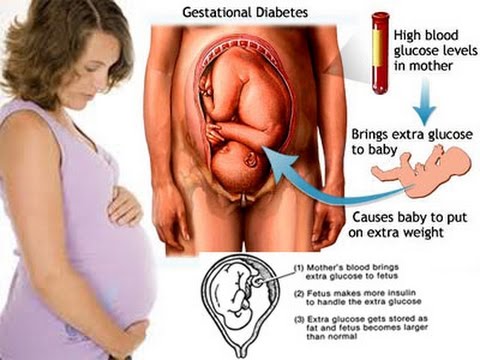
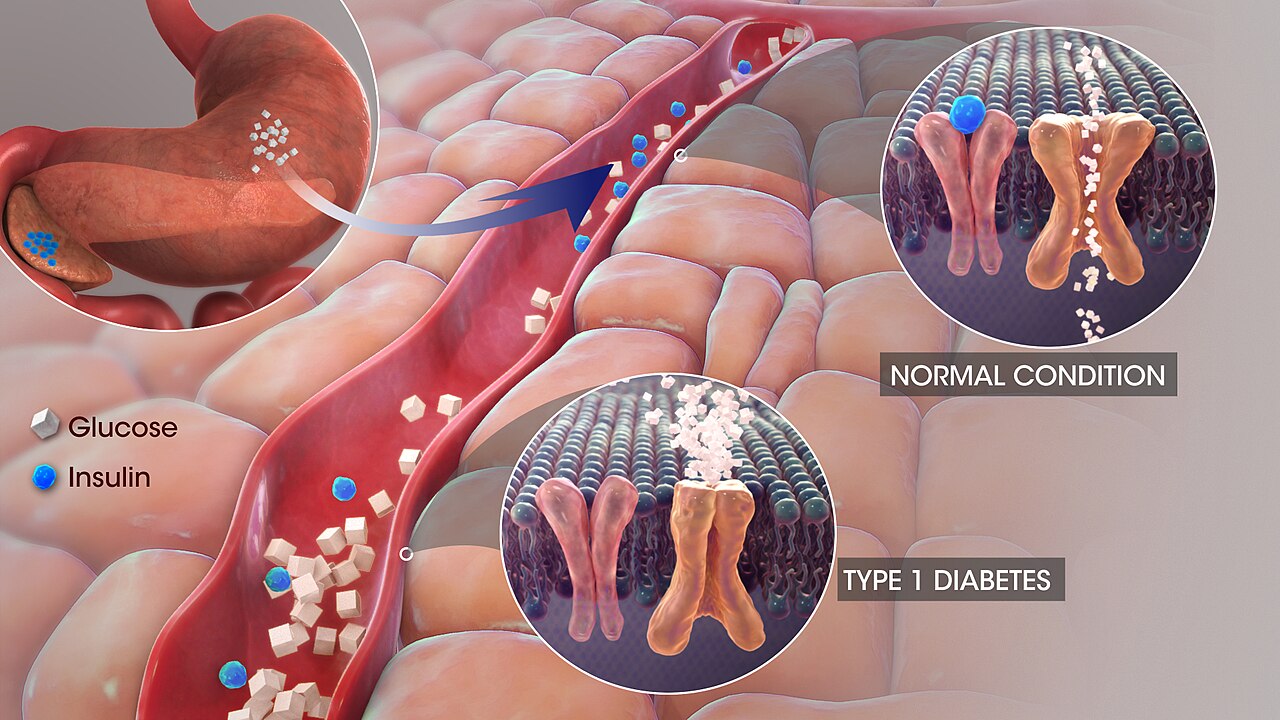
Gestational Diabetes develops when hormonal changes during pregnancy interfere with insulin function. As a result, your body cannot use insulin effectively, leading to high blood sugar levels.
Unlike other forms of diabetes, Diabetes in pregnancy usually appears during the second or third trimester. In most cases, it resolves after childbirth. However, it still requires careful monitoring and management.
Key Features of Gestational Diabetes
- Occurs during pregnancy
- Caused by insulin resistance due to hormones
- Usually temporary but requires treatment
- Increases risk of future Type 2 Diabetes
Because of these risks, early detection and proper care are essential.
Causes of Gestational Diabetes
Understanding the causes of Gestational Diabetes helps you take proactive steps toward prevention and management.
Hormonal Changes
During pregnancy, the placenta produces hormones that support your baby’s growth. However, these hormones can block insulin action. Consequently, glucose builds up in the bloodstream.
Insulin Resistance
As pregnancy progresses, your body becomes more insulin-resistant. Therefore, your pancreas must produce more insulin. If it cannot keep up, Diabetes in pregnancy develops.
Risk Factors
Several factors increase the likelihood of Gestational Diabetes:
- Being overweight or obese
- Family history of diabetes
- Previous Gestational Diabetes
- Polycystic ovary syndrome (PCOS)
- Age over 25
Even without risk factors, some women still develop the condition. That is why routine screening is important.

Symptoms of Gestational Diabetes
Many women with Gestational Diabetes do not notice obvious symptoms. However, some signs may appear.
Common Symptoms
- Increased thirst
- Frequent urination
- Fatigue
- Blurred vision
Because these symptoms can also occur during normal pregnancy, doctors rely on screening tests for accurate diagnosis.
How Gestational Diabetes Is Diagnosed
Doctors typically screen for Gestational Diabetes between weeks 24 and 28 of pregnancy.
Glucose Screening Test
You drink a sugary liquid, and your blood sugar is tested after one hour. If levels are high, further testing is required.
Oral Glucose Tolerance Test (OGTT)
This test measures your blood sugar over several hours. It confirms whether Gestational Diabetes is present.
Early diagnosis allows for better management and reduces complications.
Treatment Options for Gestational Diabetes
Managing Gestational Diabetes focuses on keeping blood sugar levels within a healthy range.
Diet and Nutrition for Gestational Diabetes
A balanced diet plays a key role in treatment. Therefore, making smart food choices is essential.
Recommended Foods
- Whole grains
- Lean proteins
- Fresh vegetables
- Fruits in moderation
- Healthy fats
Foods to Limit
- Sugary snacks
- Refined carbohydrates
- Sweetened beverages
- Processed foods
Meal Planning Tips
- Eat smaller, frequent meals
- Balance carbohydrates with protein
- Avoid skipping meals
Because diet directly affects blood sugar, consistency is crucial.

Exercise and Gestational Diabetes
Physical activity helps control blood sugar levels effectively.
Benefits of Exercise
- Improves insulin sensitivity
- Reduces blood sugar levels
- Supports healthy weight gain
Safe Activities
- Walking
- Prenatal yoga
- Swimming
Before starting any exercise, consult your healthcare provider.
Monitoring Blood Sugar Levels
Regular monitoring is essential for managing Gestational Diabetes.
How to Monitor
- Use a glucose meter
- Check levels multiple times daily
- Record results for your doctor
By tracking your levels, you can make informed decisions about your care.
Medications for Diabetes in pregnancy
If lifestyle changes are not enough, doctors may prescribe medication.
Insulin Therapy
Insulin is safe during pregnancy and helps maintain stable blood sugar levels.
Oral Medications
In some cases, doctors prescribe oral drugs. However, insulin remains the most common treatment.

Risks of Diabetes in pregnancy
If not managed properly, Gestational Diabetes can lead to complications.
Risks for the Mother
- High blood pressure
- Increased risk of cesarean delivery
- Higher chance of developing Type 2 Diabetes later
Risks for the Baby
- High birth weight
- Premature birth
- Low blood sugar after birth
- Increased risk of obesity and diabetes later in life
Fortunately, proper management greatly reduces these risks.
Preventing Gestational Diabetes
While not always preventable, certain steps can lower your risk.
Prevention Strategies
- Maintain a healthy weight before pregnancy
- Eat a balanced diet
- Stay physically active
- Attend regular prenatal checkups
Because prevention starts early, planning ahead is beneficial.
Living with Gestational Diabetes
Living with Diabetes in pregnancy requires attention and discipline. However, it is manageable with the right approach.
Building Healthy Habits
- Follow your meal plan
- Monitor blood sugar regularly
- Stay active
- Attend all medical appointments
Emotional Support
Pregnancy can already feel stressful. Adding Diabetes in pregnancy may increase anxiety. Therefore, seek support from healthcare providers, family, or support groups.
After Pregnancy: What Happens Next?
After delivery, blood sugar levels usually return to normal. However, follow-up care remains important.
Postpartum Care
- Get blood sugar tested after childbirth
- Maintain a healthy lifestyle
- Monitor for signs of diabetes
Long-Term Risk
Women who had Diabetes in pregnancy have a higher risk of developing Type 2 Diabetes later. Therefore, ongoing prevention is essential.
Gestational Diabetes and Healthy Pregnancy Tips
Maintaining a healthy pregnancy with Diabetes in pregnancy is possible with proper care.
Key Tips
- Follow medical advice closely
- Eat balanced meals
- Stay active daily
- Monitor blood sugar consistently
- Keep all prenatal appointments
By taking these steps, you can protect both your health and your baby’s well-being.
Gestational Diabetes FAQs
What is Gestational Diabetes?
Diabetes in pregnancy is a type of diabetes that develops during pregnancy due to hormonal changes affecting insulin function.
What causes Gestational Diabetes?
It occurs when pregnancy hormones cause insulin resistance, leading to high blood sugar levels.
Can Diabetes in pregnancy harm my baby?
Yes, if not managed properly. However, good control significantly reduces risks.
Does Gestational Diabetes go away after pregnancy?
In most cases, it disappears after childbirth. However, it increases the risk of future diabetes.
How is Gestational Diabetes treated?
Treatment includes diet changes, exercise, blood sugar monitoring, and sometimes insulin therapy.
Can I have a normal delivery with Diabetes in pregnancy?
Yes, many women have normal deliveries, especially with proper management.
What foods should I avoid with Diabetes in pregnancy?
Avoid sugary foods, refined carbs, and processed snacks.
How often should I check my blood sugar?
Most women check several times daily, depending on their doctor’s advice.
Can Gestational Diabetes be prevented?
Not always, but healthy lifestyle choices can reduce the risk.
Will my baby develop diabetes?
Your baby may have a higher risk later in life, but healthy habits can lower that risk.
Final Thoughts on Gestational Diabetes
Diabetes in pregnancy is a manageable condition that requires awareness, consistency, and proper care. Although it presents challenges, it also offers an opportunity to adopt healthier habits that benefit both mother and child.
By understanding the causes, recognizing potential risks, and following a structured treatment plan, you can ensure a safe and healthy pregnancy. Moreover, ongoing care after delivery helps reduce long-term health risks.
If you are searching for answers about Gestational Diabetes, you are already taking an important step toward better health. Stay informed, follow your care plan, and prioritize your well-being every day.
