
Blog
Type 2 Diabetes
Type 2 Diabetes: Complete Guide to Causes, Symptoms, Treatment, and Daily Management
Introduction to Type 2 Diabetes
Type 2 Diabetes is one of the most common chronic health conditions worldwide. It affects how your body processes glucose, which serves as your main source of energy. When you have T2D or T2DM, your body either resists insulin or does not produce enough of it. As a result, sugar builds up in your bloodstream.
However, the good news is that T2D or T2DM is manageable. With the right lifestyle changes, medications, and consistent monitoring, many people live long and healthy lives. Therefore, understanding this condition is the first step toward better health.
In this comprehensive guide, you will discover everything you need to know about T2D or T2DM, including causes, symptoms, diagnosis, treatment options, and practical daily management strategies.
What Is Type 2 Diabetes?
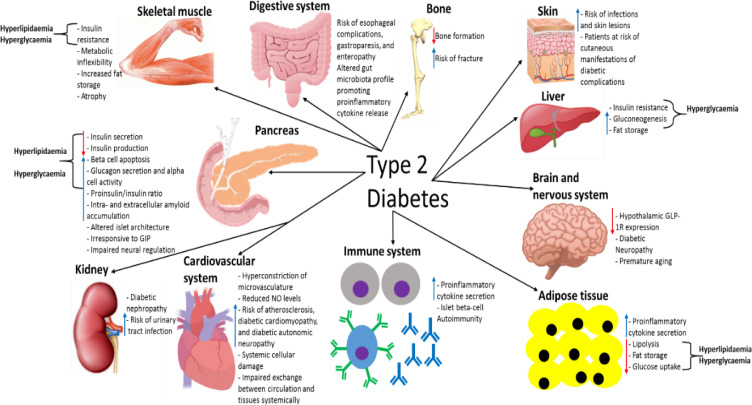
Type 2 Diabetes is a metabolic disorder that affects how your body uses insulin. Unlike Type 1 Diabetes, your body still produces insulin. However, your cells do not respond effectively to it. This condition is known as insulin resistance.
Over time, your pancreas may struggle to keep up with insulin demand. Consequently, blood sugar levels rise, leading to various health complications.
Key Features of Type 2 Diabetes
- Insulin resistance develops gradually
- The body still produces insulin initially
- Blood sugar levels increase over time
- Lifestyle factors often contribute to its development
Although it usually develops in adults, more young people now receive a diagnosis due to lifestyle changes.
Causes of Type 2 Diabetes
Understanding the causes of T2D or T2DM helps you take preventive action and manage risks effectively.
Insulin Resistance
The primary cause of Type 2 Diabetes is insulin resistance. Your muscle, fat, and liver cells stop responding properly to insulin. As a result, glucose cannot enter the cells efficiently.
Genetic Factors
Genetics play a significant role. If you have a family history of Type 2 Diabetes, your risk increases. However, lifestyle choices still have a major impact.
Lifestyle Factors
Several lifestyle habits contribute to the development of T2D or T2DM:
- Poor diet high in processed foods
- Lack of physical activity
- Excess body weight
- Chronic stress
Because these factors are modifiable, you can reduce your risk through healthier choices.
Symptoms of Type 2 Diabetes
Many people overlook early signs of T2D or T2DM because symptoms develop gradually. However, early detection is essential.
Common Symptoms
- Frequent urination
- Increased thirst
- Constant hunger
- Fatigue
- Blurred vision
Less Obvious Symptoms
- Slow-healing wounds
- Frequent infections
- Tingling in hands or feet
- Darkened skin areas (especially around the neck)
Since symptoms may be mild at first, regular health checkups are important.
How Type 2 Diabetes Is Diagnosed
Doctors use several tests to diagnose T2D or T2DM accurately.
Blood Glucose Tests
- Fasting blood sugar test
- Random blood sugar test
- Oral glucose tolerance test
A1C Test
The A1C test measures your average blood sugar over the past two to three months. A level of 6.5% or higher confirms diabetes.
Because early diagnosis improves outcomes, testing plays a crucial role in prevention and management.
Treatment Options for Type 2 Diabetes
Managing Type 2 Diabetes requires a combination of lifestyle changes and medical treatment. Fortunately, there are many effective options available.
Lifestyle Changes for T2D or T2DM
Lifestyle changes form the foundation of treatment. In many cases, they significantly improve blood sugar control.
Healthy Eating
A balanced diet helps regulate glucose levels. Focus on:
- Whole grains
- Vegetables and fruits
- Lean proteins
- Healthy fats
At the same time, reduce sugar, refined carbohydrates, and processed foods.
Regular Exercise
Physical activity improves insulin sensitivity. Therefore, aim for at least 30 minutes of exercise most days.
Weight Management
Losing even a small amount of weight can improve blood sugar levels dramatically.
Medications for Type 2 Diabetes
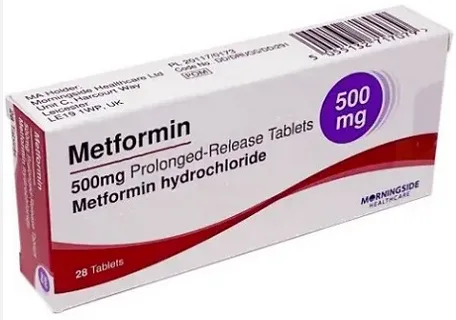
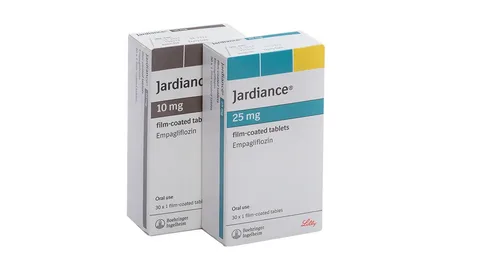
When lifestyle changes are not enough, medications help control blood sugar.
Oral Medications
These drugs work in different ways, such as:
- Improving insulin sensitivity
- Reducing glucose production
- Slowing carbohydrate absorption
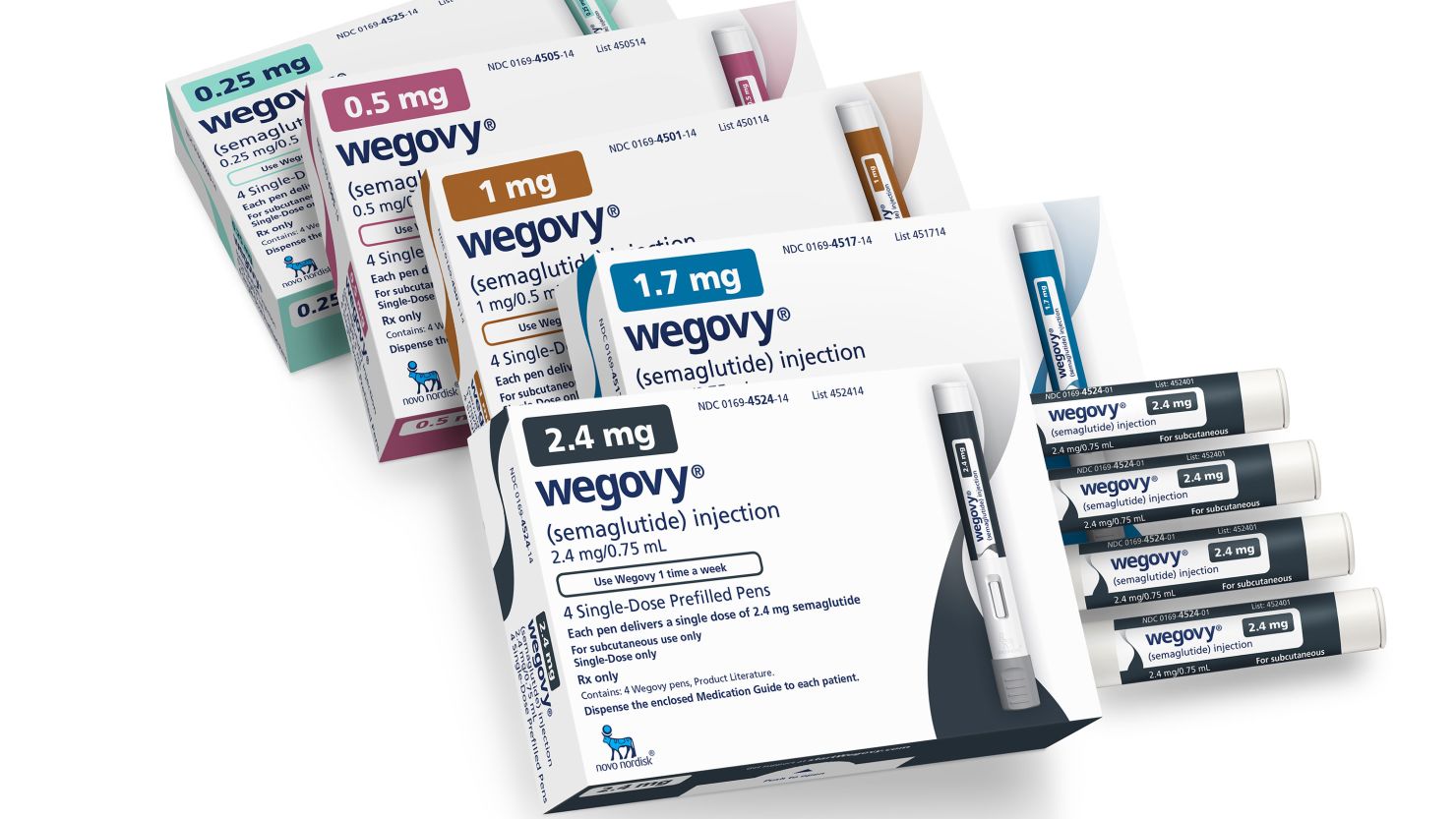
Injectable Medications
Some patients require injectable treatments. These may include insulin or other hormone-based therapies.
Because every patient is different, doctors tailor treatment plans accordingly.
Monitoring Blood Sugar Levels
Regular monitoring is essential for managing T2D or T2DM effectively.
Methods of Monitoring
- Fingerstick testing
- Continuous glucose monitoring (CGM)
By tracking your blood sugar, you can adjust your diet, exercise, and medication as needed.
Diet Plan for Type 2 Diabetes
A proper diet plays a vital role in controlling T2D or T2DM. FDA APPROVED
Best Foods for Type 2 Diabetes
- Leafy green vegetables
- Whole grains
- Nuts and seeds
- Fish rich in omega-3 fatty acids
Foods to Avoid
- Sugary drinks
- White bread and pastries
- Fried foods
- Processed snacks
Portion Control
In addition to choosing the right foods, controlling portion sizes prevents blood sugar spikes.
Exercise and Type 2 Diabetes
Exercise provides powerful benefits for people with T2D or T2DM
Benefits of Exercise
- Improves insulin sensitivity
- Lowers blood sugar levels
- Boosts cardiovascular health
- Supports weight loss
Recommended Activities
- Walking
- Cycling
- Swimming
- Strength training
Consistency matters more than intensity. Therefore, find activities you enjoy and stick with them.
Complications of Type 2 Diabetes
If not managed properly, Type 2 Diabetes can lead to serious complications.
Short-Term Complications
- Hyperglycemia
- Hypoglycemia (from medication use)
Long-Term Complications
- Heart disease
- Kidney damage
- Nerve damage
- Vision problems
Fortunately, proper management significantly reduces these risks.
Preventing Type 2 Diabetes
Prevention is possible, especially for those at high risk.
Key Prevention Strategies
- Maintain a healthy weight
- Eat a balanced diet
- Exercise regularly
- Avoid smoking
- Manage stress
Because lifestyle plays a major role, small changes can have a big impact.
Living with Type 2 Diabetes
Living withT2D or T2DM requires consistency and awareness. However, it does not limit your ability to live a fulfilling life.
Building Healthy Habits
- Follow a daily routine
- Monitor blood sugar regularly
- Take medications as prescribed
Mental and Emotional Health
Managing a chronic condition can feel overwhelming. Therefore, seek support when needed. Support groups, counseling, and education can help you stay motivated.
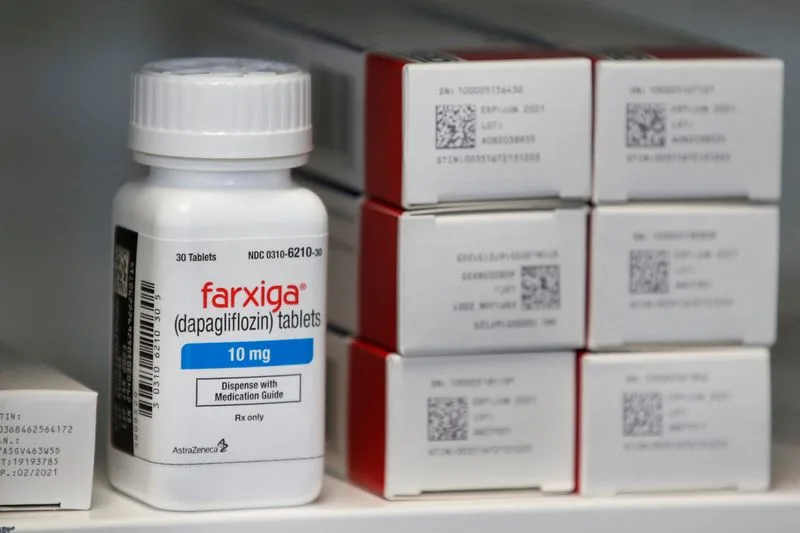
Latest Advances in Type 2 Diabetes Treatment
Medical research continues to improve the management of T2D or T2DM
New Medications
New drugs offer better blood sugar control with fewer side effects.
Technology Integration
Smart devices and apps help track glucose levels and improve decision-making.
Personalized Medicine
Doctors now tailor treatments based on individual needs, leading to better outcomes.
Type 2 Diabetes FAQs
What is Type 2 Diabetes?
T2D or T2DM is a condition where the body becomes resistant to insulin or does not produce enough of it, leading to high blood sugar levels.
What causes Type 2 Diabetes?
It develops due to a combination of insulin resistance, genetic factors, and lifestyle habits such as poor diet and lack of exercise.
Can Type 2 Diabetes be reversed?
In some cases, lifestyle changes like weight loss, healthy eating, and exercise can help put T2D or T2DM into remission.
What are early signs of T2D or T2DM?
Early signs include frequent urination, increased thirst, fatigue, and blurred vision.
How is Type 2 Diabetes treated?
Treatment includes lifestyle changes, oral medications, injectable therapies, and sometimes insulin.
Is Type 2 Diabetes hereditary?
Yes, genetics increase the risk. However, lifestyle choices also play a significant role.
What foods should be avoided with Type 2 Diabetes?
Avoid sugary foods, processed snacks, refined carbohydrates, and sugary drinks.
How often should blood sugar be checked?
Frequency depends on treatment, but many people check daily or several times per week.
Can exercise help manage T2D or T2DM?
Yes, exercise improves insulin sensitivity and helps control blood sugar levels.
What happens if Type 2 Diabetes is untreated?
Untreated T2D or T2DM can lead to serious complications such as heart disease, kidney failure, and nerve damage.
Final Thoughts on T2D or T2DM
Type 2 Diabetes is a serious condition, yet it is highly manageable with the right approach. By making informed lifestyle choices and following a proper treatment plan, you can maintain stable blood sugar levels and prevent complications.
Moreover, advances in medicine and technology continue to improve outcomes for people living with diabetes. Therefore, staying informed and proactive is essential.
If you are searching for answers about Type 2 Diabetes, you are already taking a powerful step toward better health. Continue learning, stay consistent, and prioritize your well-being every day.

Pingback: how long does mounjaro side effects last - fastcarepharmacy.com
Pingback: how to inject mounjaro - fastcarepharmacy.com
Pingback: how to use mounjaro pen - fastcarepharmacy.com
Pingback: why do you have to increase mounjaro dose - fastcarepharmacy.com
Pingback: does mounjaro cause hair loss - fastcarepharmacy.com
Pingback: Januvia Generic - fastcarepharmacy.com
Pingback: Qué no comer cuando tomas metformina - fastcarepharmacy.com