
Blog
Type 1 Diabetes
Type 1 Diabetes: Complete Guide to Causes, Symptoms, Treatment, and Daily Management
Introduction to Type 1 Diabetes
Type 1 Diabetes is a chronic condition that affects how your body processes blood sugar, also known as glucose. Unlike other forms of diabetes, this condition develops when the immune system mistakenly attacks insulin-producing cells in the pancreas. As a result, the body stops producing insulin entirely.
Because insulin plays a crucial role in regulating blood sugar, people with Type 1 Diabetes must manage their condition daily. However, with the right knowledge and treatment plan, individuals can live full and healthy lives.
In this comprehensive guide, you will learn everything you need to know aboutT1D, IDDM. From causes and symptoms to treatment options and lifestyle strategies, this article answers the most important questions users search for online.
What Is Type 1 Diabetes?
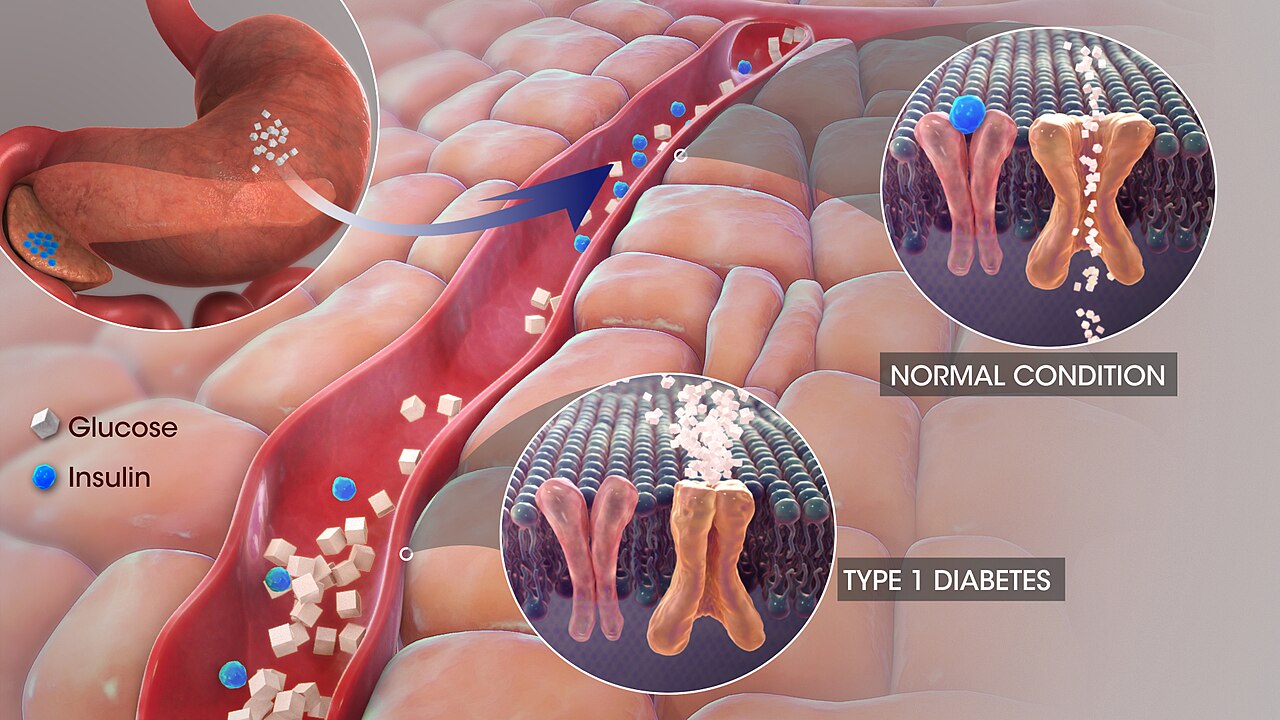
Type 1 Diabetes is an autoimmune disease. This means the immune system targets healthy cells by mistake. In this case, it destroys beta cells in the pancreas, which are responsible for producing insulin.
Without insulin, glucose cannot enter your cells. Consequently, sugar builds up in your bloodstream. Over time, this leads to serious health complications if left untreated.
Key Characteristics of T1D, IDDM
- The body produces little or no insulin
- It usually develops in children or young adults
- It requires lifelong insulin therapy
- It is not caused by lifestyle factors
Although it often appears early in life, adults can also develop Type 1 Diabetes. Therefore, awareness is essential at every age.
Causes of Type 1 Diabetes
Understanding the causes of T1D, IDDM helps you recognize risk factors and early warning signs.
Autoimmune Response
The primary cause is an autoimmune reaction. The immune system attacks insulin-producing cells because it mistakenly identifies them as harmful.
Genetic Factors
Genetics also play a role. If a close family member has Type 1 Diabetes, your risk increases. However, not everyone with a genetic predisposition develops the condition.
Environmental Triggers
Certain environmental factors may trigger the disease. These include:
- Viral infections
- Early exposure to certain foods
- Low vitamin D levels
Even though researchers continue to study these triggers, no single cause explains every case.

Symptoms of Type 1 Diabetes
Recognizing symptoms early can prevent serious complications. Symptoms of T1D, IDDM often appear suddenly and worsen quickly.
Common Symptoms
- Frequent urination
- Excessive thirst
- Extreme hunger
- Unexplained weight loss
- Fatigue
- Blurred vision
Advanced Symptoms
If left untreated, more severe symptoms may develop:
- Nausea and vomiting
- Abdominal pain
- Fruity-smelling breath
- Rapid breathing
These signs may indicate diabetic ketoacidosis (DKA), a life-threatening condition that requires immediate medical attention.
How Type 1 Diabetes Is Diagnosed
Doctors use several tests to diagnoseT1D, IDDM accurately. Early diagnosis allows for prompt treatment and better outcomes.
Blood Sugar Tests
- Fasting blood sugar test
- Random blood sugar test
- Oral glucose tolerance test
A1C Test
This test measures average blood sugar levels over the past two to three months. An A1C level of 6.5% or higher typically indicates diabetes.
Autoantibody Testing
Doctors may also check for specific antibodies that confirm an autoimmune response.

Treatment Options for Type 1 Diabetes
Managing Type 1 Diabetes requires a lifelong commitment. However, modern treatments make it easier than ever to maintain stable blood sugar levels.
Insulin Therapy
Insulin is the cornerstone of treatment. Patients must take insulin daily to survive.
Types of Insulin
- Rapid-acting insulin
- Short-acting insulin
- Intermediate-acting insulin
- Long-acting insulin
Each type works differently, so doctors often combine them for optimal results. FDA APPROVED
Insulin Delivery Methods
- Insulin injections
- Insulin pens
- Insulin pumps
Many patients prefer insulin pumps because they provide continuous delivery and greater flexibility.
Monitoring Blood Sugar Levels
Regular monitoring is essential for managing T1D, IDDM effectively.
Methods of Monitoring
- Fingerstick blood glucose testing
- Continuous glucose monitoring (CGM)
CGM devices provide real-time data, which helps patients make quick adjustments to their treatment plan.
Diet and Nutrition for Type 1 Diabetes
Diet plays a crucial role in managing T1D, IDDM While no specific diet cures the condition, healthy eating supports stable blood sugar levels.
Recommended Foods
- Whole grains
- Lean proteins
- Vegetables
- Healthy fats
Foods to Limit
- Sugary drinks
- Processed foods
- Refined carbohydrates
Carbohydrate Counting
Carbohydrate counting helps match insulin doses to food intake. As a result, it improves blood sugar control.
Exercise and Type 1 Diabetes
Physical activity offers numerous benefits for people with T1D, IDDM However, it requires careful planning.
Benefits of Exercise
- Improves insulin sensitivity
- Supports weight management
- Boosts heart health
Tips for Safe Exercise
- Check blood sugar before and after activity
- Carry fast-acting carbohydrates
- Stay hydrated
With proper precautions, exercise becomes a powerful tool for managing diabetes.

Complications of Type 1 Diabetes
If not managed properly, T1D, IDDM can lead to serious complications.
Short-Term Complications
- Hypoglycemia (low blood sugar)
- Hyperglycemia (high blood sugar)
- Diabetic ketoacidosis (DKA)
Long-Term Complications
- Heart disease
- Kidney damage
- Nerve damage
- Eye problems
Fortunately, consistent management significantly reduces these risks.
Living with Type 1 Diabetes
Living with T1D, IDDM requires daily attention. However, many people lead active and fulfilling lives.
Building a Routine
Establishing a consistent routine helps maintain stable blood sugar levels. This includes regular meals, insulin use, and monitoring.
Emotional Well-Being
Managing a chronic condition can be stressful. Therefore, emotional support is essential. Joining support groups or speaking with a counselor can make a big difference.
Latest Advances in Type 1 Diabetes Treatment
Research continues to improve the management of T1D, IDDM.
Artificial Pancreas Systems
These systems automatically adjust insulin delivery based on glucose levels.
Islet Cell Transplants
Scientists are exploring ways to replace damaged insulin-producing cells.
Immunotherapy
New treatments aim to stop the immune system from attacking the pancreas.
Although these innovations are promising, they are still under development or limited in availability.
Preventing Type 1 Diabetes
Currently, there is no guaranteed way to prevent T1D, IDDM However, ongoing research aims to identify preventive strategies.
In the meantime, early detection remains the best approach.
Type 1 Diabetes FAQs
What is the main cause of Type 1 Diabetes?
The main cause is an autoimmune reaction where the immune system attacks insulin-producing cells in the pancreas.
Can Type 1 Diabetes be cured?
No, there is currently no cure for T1D, IDDM. However, proper treatment allows effective management.
Is Type 1 Diabetes hereditary?
Genetics can increase risk, but not everyone with a family history develops the condition.
How is T1D, IDDM different from Type 2?
Type 1 Diabetes is an autoimmune disease, while Type 2 Diabetes is primarily linked to insulin resistance and lifestyle factors.
Can adults develop T1D, IDDM?
Yes, although it is more common in children, adults can also develop Type 1 Diabetes.
How often should blood sugar be checked?
Most patients check multiple times daily, especially before meals and bedtime.
What happens if Type 1 Diabetes is untreated?
Untreated T1D, IDDM can lead to life-threatening complications such as diabetic ketoacidosis.
Can diet alone manage Type 1 Diabetes?
No, insulin therapy is essential. However, diet plays a supportive role in management.
Is exercise safe for people with T1D, IDDM?
Yes, but it requires proper planning and monitoring to avoid blood sugar fluctuations.
What is the life expectancy for someone with Type 1 Diabetes?
With proper care, many people live long and healthy lives.

Final Thoughts on Type 1 Diabetes
Type 1 Diabetes is a serious condition, yet it is highly manageable with the right approach. By understanding its causes, recognizing symptoms early, and following a structured treatment plan, individuals can maintain excellent health.
Moreover, advances in medical technology continue to improve quality of life for people with diabetes. Therefore, staying informed and proactive is essential.
If you are searching for reliable information and effective treatment options, you are already taking the right step. Continue learning, consult healthcare professionals, and prioritize your health every day.
